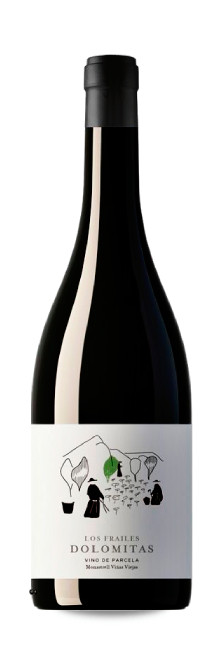
Loamy, calcareous and very stony. At first glance, this is how dolomite soils can be defined, a surface rich in calcium carbonate and magnesium, which is abundant in the Alforins valley, in Valencia. In this area, located in the southwest of the area, the vineyards grow on this shallow soil, producing fresh, fine and very mineral wines. This soil is home to Los Frailes Dolomitas, a single-variety Monastrell red wine produced by the Casa los Frailes winery in the D.O. Valencia.
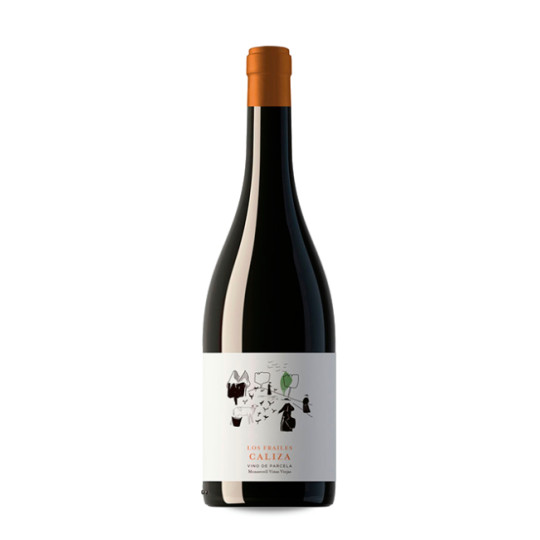
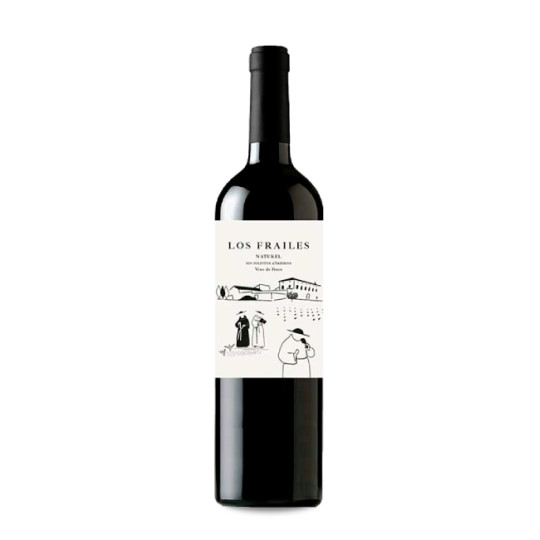
Los Frailes Dolomitas (along with Los Frailes Limestone and Los Frailes Rubificado) is one of the three reds that emerged after the study of the soils carried out by Miguel and María José, the latest generation of the Velázquez family, who run this project. After three centuries of history (Casa Los Frailes was bought by an ancestor in 1771), this new generation took on leadership of the winery, marking a turning point from what had come before. This new chapter in the company’s story was marked by starting to bottle their own wine, converting the vineyards to organic and biodynamic and, finally, carrying out an in-depth study of its soil types.
This is how Los Frailes Dolomitas was born, a project that revolves around Monastrell, the most cultivated variety. This winery remains faithful in the variety, and grows vines over 80 years old, continuing with the tradition established by the Jesuits in the 13th century. Specifically, this group, who produced wine for consecration in mass, is responsible for introducing viticulture to this area after the Muslim population was expelled in the 12th century. Today, this production is still spread across the winery’s 130 hectares, which are divided into plots according to the type of soil. With Los Frailes Dolomitas, the vines (over 30 years old) grow on 4.1 hectares at an altitude of 700 metres above sea level, at the foot of the characteristic steep mountains (also including the Dolomites) that surround the property. In this area the bedrock, known as calcareous tap, is found at a very shallow depth, guaranteeing the retention of humidity during periods of drought. This lack of precipitation arrives in summer, accompanied by a rise in temperatures that is more pronounced as the altitude increases (reaching a maximum of 35°C). At this point the winds from the sea and the contrasting temperatures at night are key, with this latter being especially needed to cool the plant and give it some respite. At the opposite end of the scale is the month of January, with thermometers registering minimum temperatures of -6ºC. In terms of yield, this translates into a small quantity but high quality of berries, covered by organic (since 2002) and biodynamic certificates, making them one of the first wineries in Spain to achieve this recognition. No chemicals or herbicides are used. All the work is manual, favouring biodiversity, and using methods like plant covers or monitoring lunar cycles.
When it comes to winemaking, Casa los Frailes aims to emulate the Jesuits, maintaining special care in the vineyards and minimal intervention in the winery. The work begins in the vineyard, with manual harvesting, and continues with all the care and attention in the world: very gentle pressing and pumping over, minimal doses of sulphur and fermentation with native yeasts. The entire process is carried out both in the concrete vats and in the cellar full of vats that were built by the clergy in the eighteenth century and where today Los Frailes Dolomitas continues to undergo malolactic fermentation and 10 months of aging (in these half-buried jars). Finally, Los Frailes Dolomitas is bottled with a very light filtration. Nobody wants to dress up or hide the special character that the Monastrell has acquired during the whole process, right?





 Red wine
 White wine
 Rosé wine
 Primeurs
 Sherry and Port wine
 Sweet wine
 Orange wine
 Vermouth
 Champagne
 Cava
Cava Prosecco
 Lambrusco
 Crémant
 Moscato d'Asti
 Franciacorta
 Pet-Nat
 Corpinnat
 Other sparkling wines
 Rhum
Rhum Gin
Gin Whisky
 Vodka
Vodka Cognac
 Brandy
 Pastis
 Tequila
 Mezcal
 Grappa and Eau de vie
 Calvados
 Liqueurs
 Pacharán
 Apéritifs
 Wine gift boxes
 Boxed wines
 Boxed sparkling wines
 Wine bottles and glasses
 Gift card
 Non alcoholic Wine
 Non alcoholic Sparkling wine
 Non alcoholic Gin
 Other non-alcoholic drinks
 Aromas
 Wine conservation
 Decanters and aerators
 Bottle identifiers
 Corkscrews
 Service
 Glass identifiers
 Cleaners
 Accessories set
 Wine glasses
 Contact




 Valencia


 Attention
