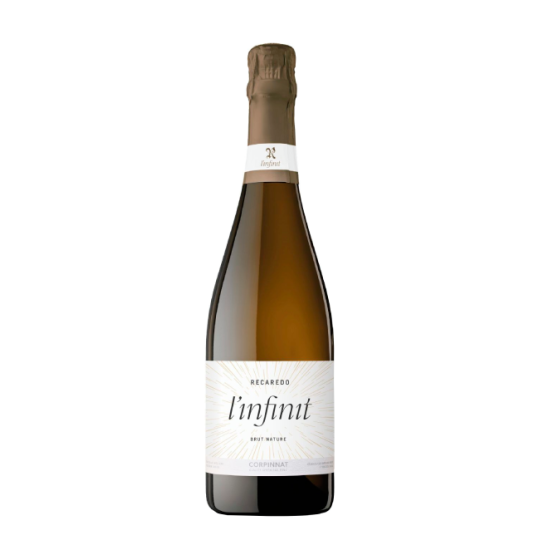
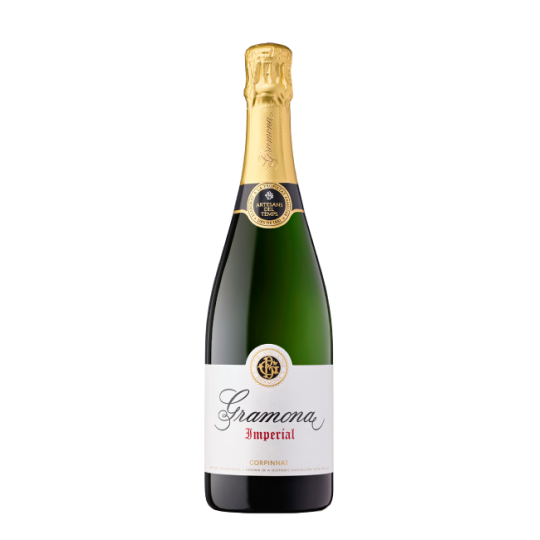
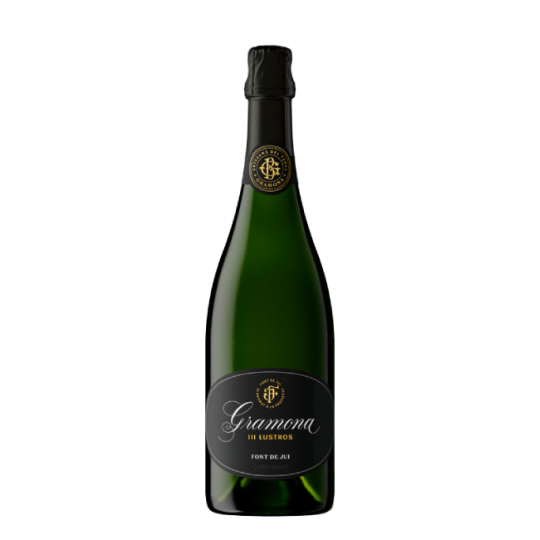
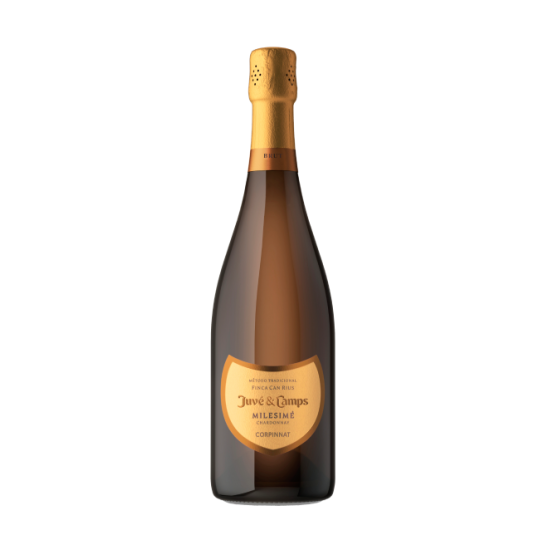
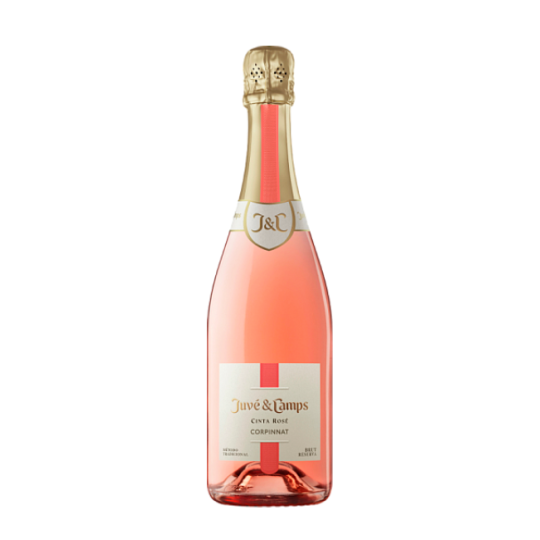
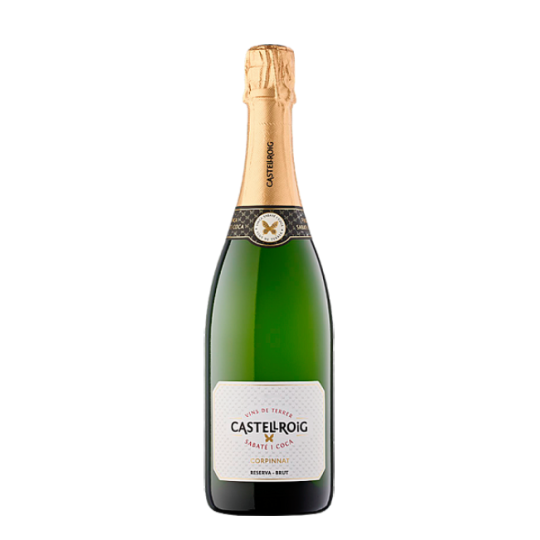
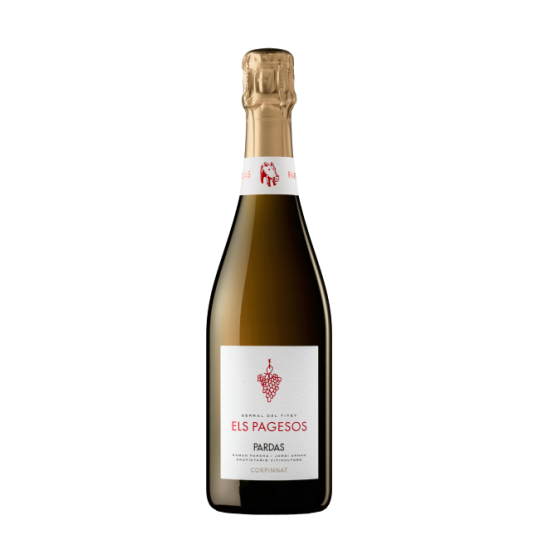
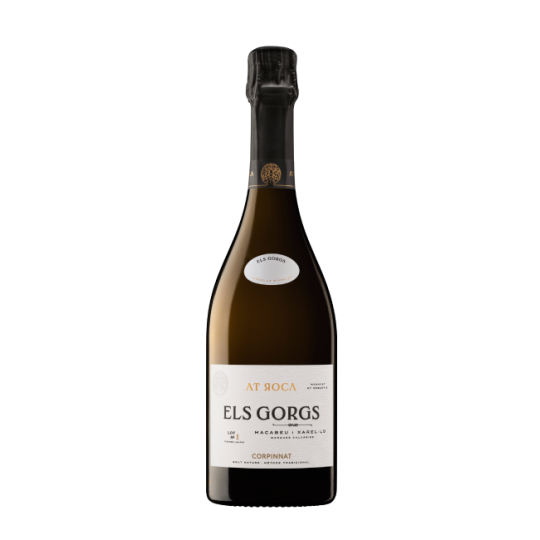
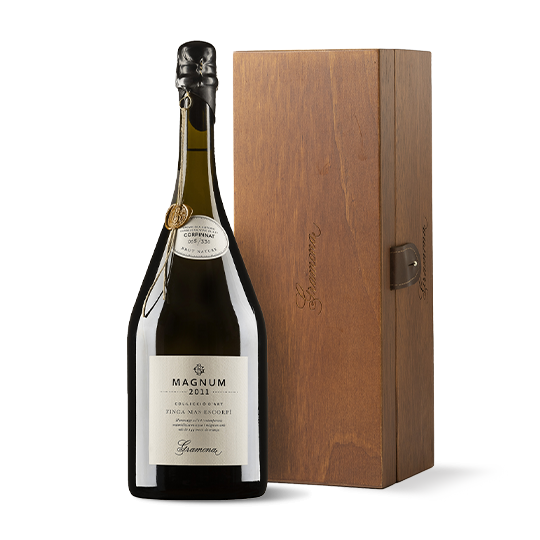
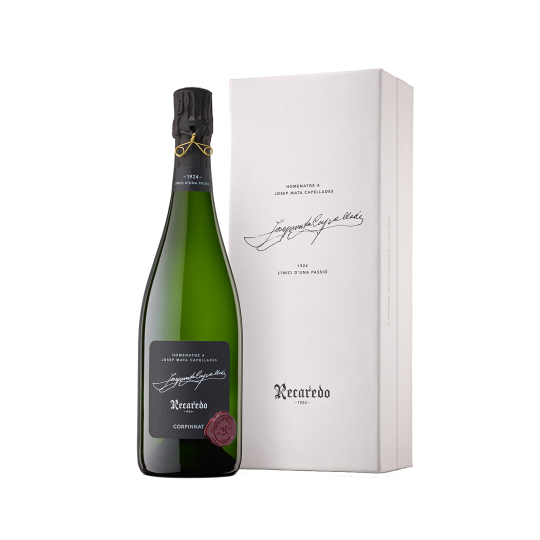
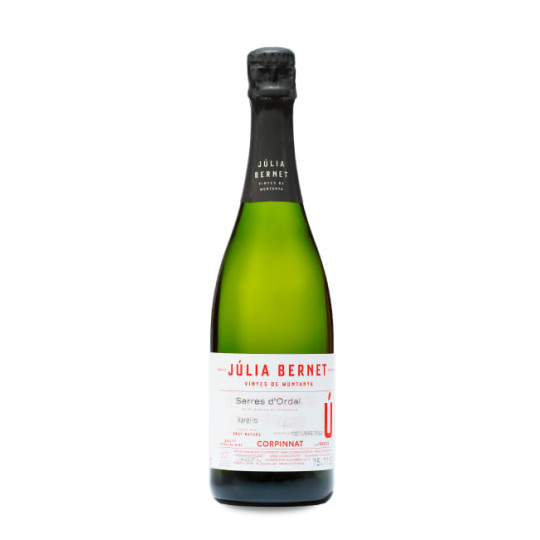
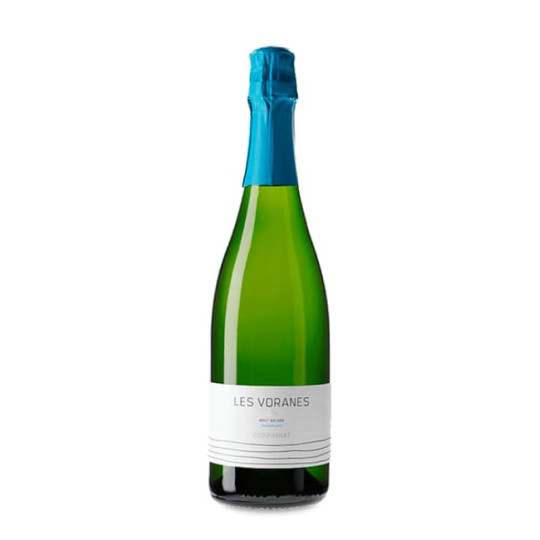
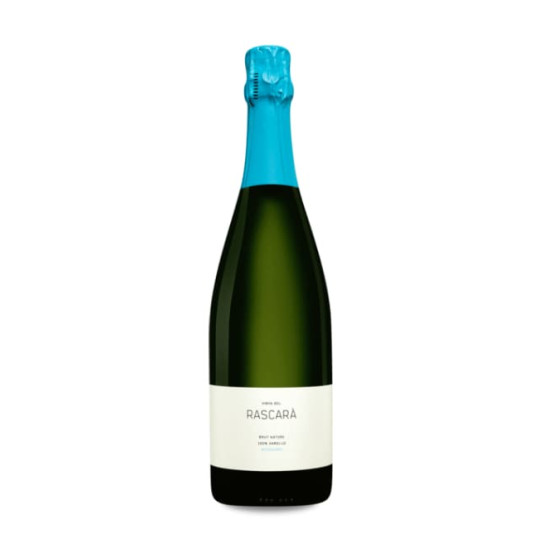
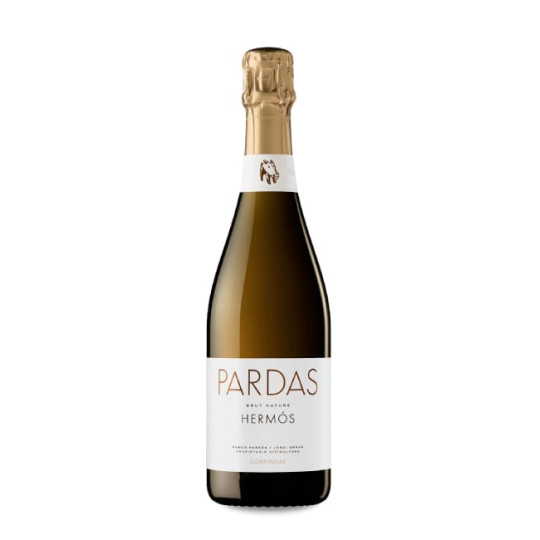
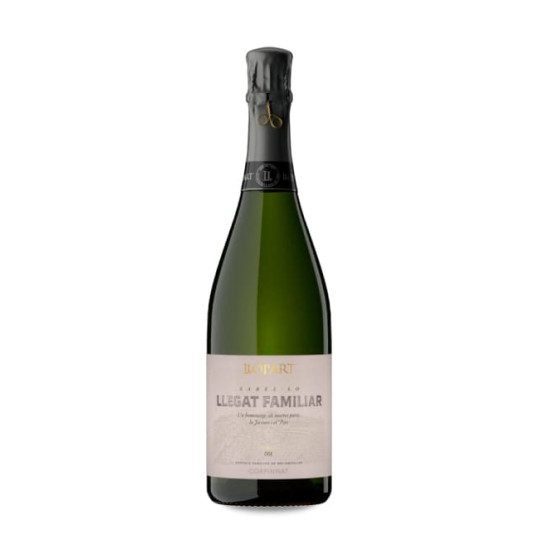
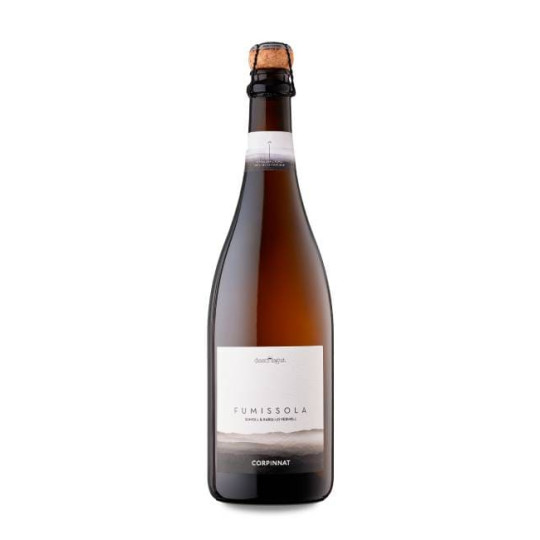
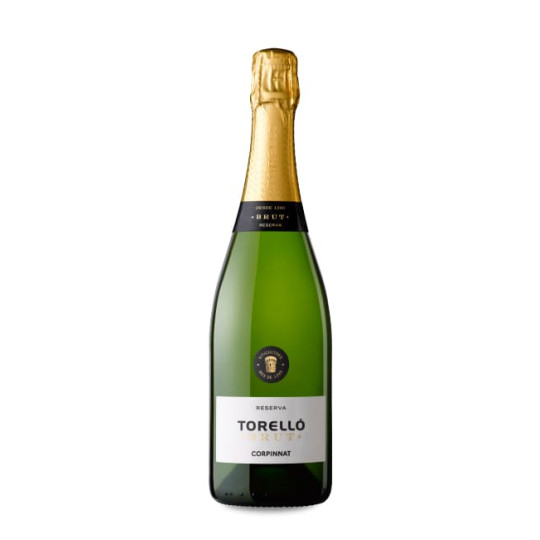
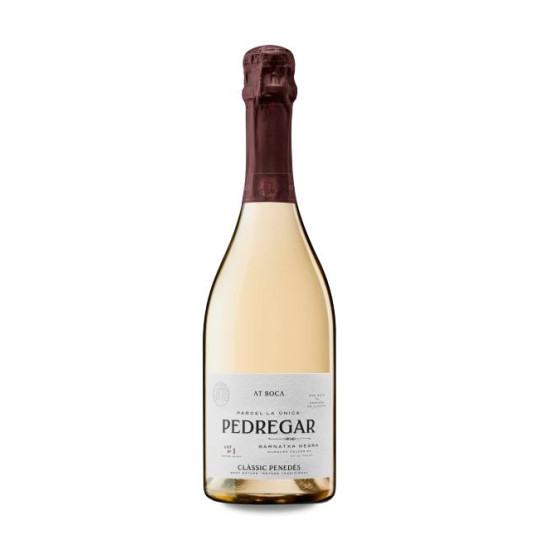
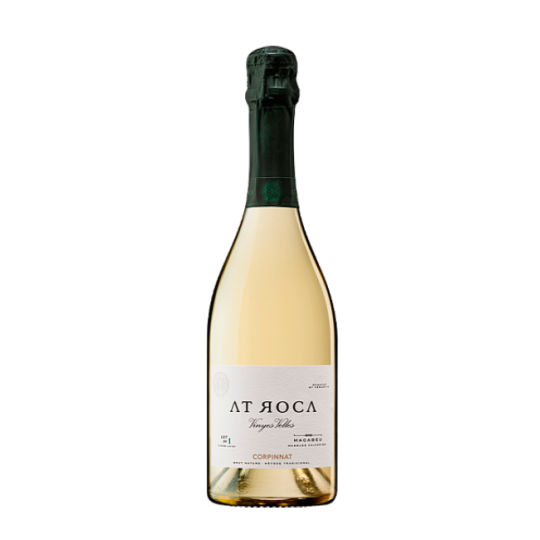
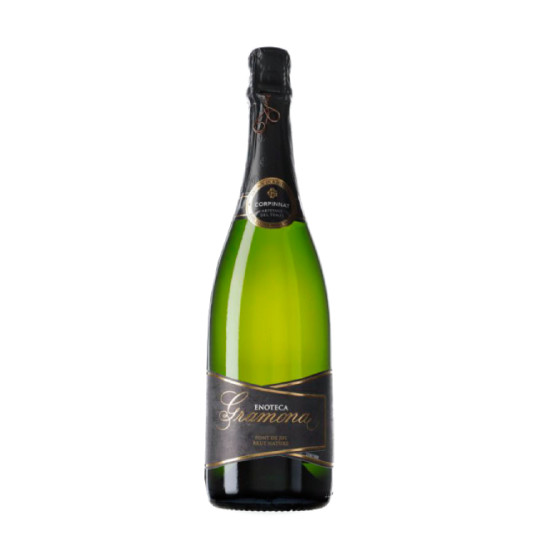
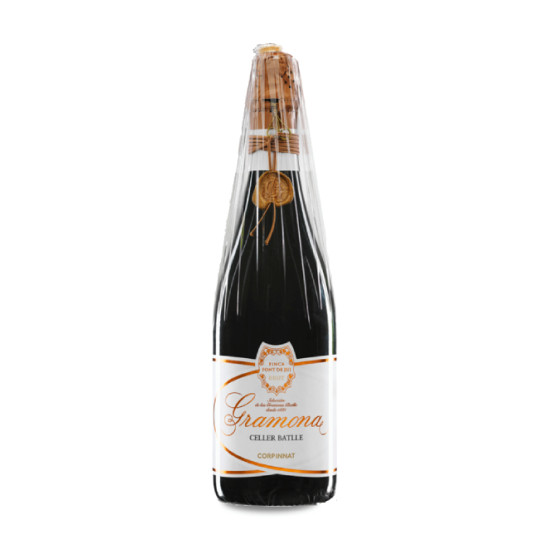
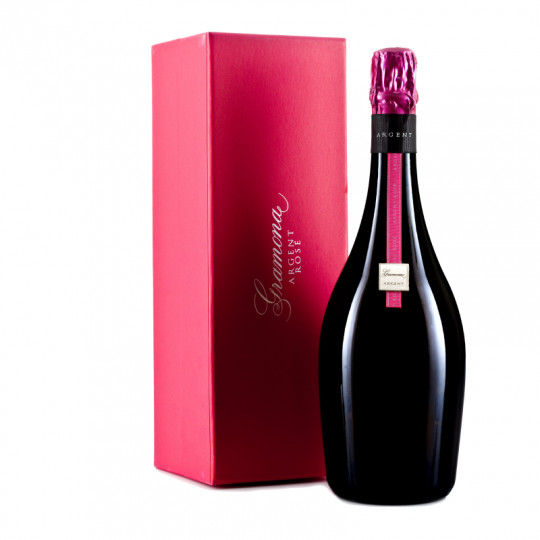
The commitments that Corpinnat seeks are linked to high quality and are as follows: Commitment to their origin and its land:
-Commitment to their origin and its land: made in the birthplace of the Penedès greats.
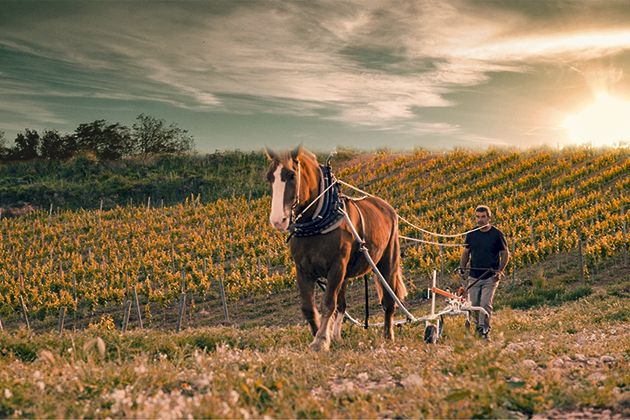
-Commitment to sustainability and the environment: exclusive organic cultivation of vineyards.
-Commitment to the winemaking process: winemaking on the property and not in rented space in other wineries, thus guaranteeing style and quality from the source.
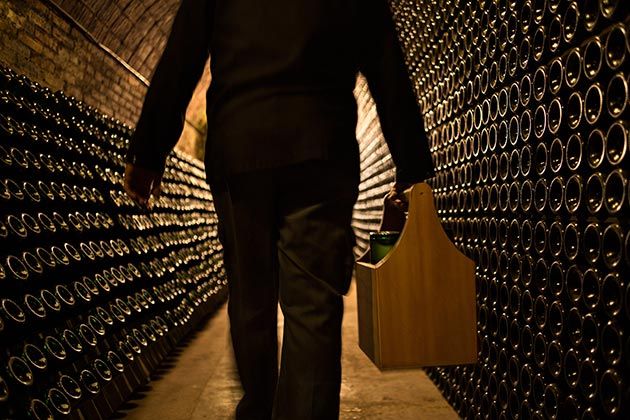
-Commitment to quality: manual harvesting to respect the integrity of the grapes and ensure that they reach the winery in the best condition. All sparkling wines are aged for a minimum of 18 months on racks. Each winery also produces another sparkling wine with 30 months or more of aging and another with a minimum of 60 months of aging.
-Commitment to winegrowers: establishing long-term grape purchase contracts with a guaranteed minimum and fair price per kg. This is a significant differentiating factor, as Corpinnat is committed to sustainable and fair trade for the entire business chain of its sparkling wines.
Location, climate and soils
The criteria established to set Corpinnat’s boundaries were territorial and environmental factors, factors relating to the human presence in an area, and finally, viticultural questions.
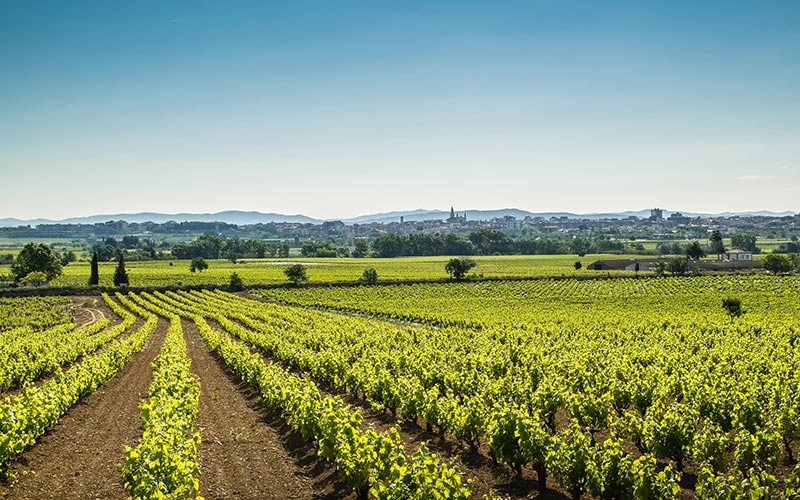
La zona geográfica de Corpinnat’s geographical area is located in the south of the province of Barcelona and a small part of the province of Tarragona. It lies in the pre-coastal depression of the Penedès and the adjacent mountain ranges that border it and forms a compact area within the D.O. Penedès. It includes all or part of the Alt Penedès, Alt Camp, Baix Penedès, Baix Llobregat and Anoia regions.
Corpinnat has a Mediterranean climate, with mild winters, hot summers and an annual rainfall of 500 mm. However, at higher altitudes the temperature contrast is somewhat greater, as is the total annual rainfall.
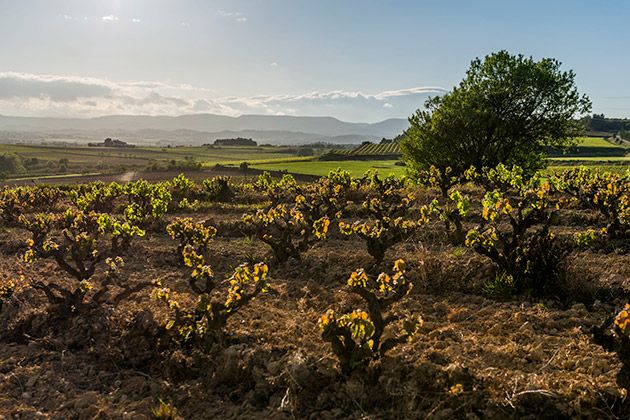
The soils of the Corpinnat area are mainly made up of breccias and conglomerates, sandstones and shales, calcareous and dolomites, conglomerates and sandstones, clays and gypsum, calcareous dolomites. If we look for the etymological meaning of Penedès and Corpinnat we will find a link to these soil types: Penedès comes from pinnae, which means rock and Corpinnat, which is a combination of COR, heart in Catalan, and PINNAT, the adjective of pinna.
Sparkling wines are classified depending on the amount of residual sugar:
-Brut Nature: <3 g/l.
-Extra brut: 0 y 6 g/l.
-Brut: <12 g/l.
-Extra seco: 12 -17 g/l.
-Seco: 17-32 g/l.
-Semi-seco: 32 - 50 g/l.
-Dulce: >50 g/l.
Corpinnat Regulations
Corpinnat’s regulations have been designed to guarantee a minimum high quality in all the winemaking processes of the group’s wineries.
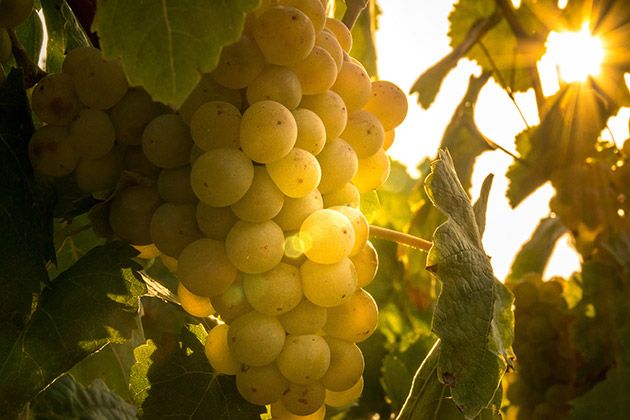
To achieve this, yields in the vineyard and press are limited and only certain varieties are authorised for cultivation and vinification. In the classification of the grape varieties, they use the area’s historical authorised varieties: the Macabeo, Perallada, Malvasía or Subirat Parent and Xarel·lo white varieties and the Garnacha, Monastrell, Sumoll and Xarel·lo Rosado red varieties. And the authorised non-historic varieties: the Chardonnay white variety and the Pinot Noir and Trepat red varieties.
Only these varieties can be vinified under Corpinnat rules and no more than 10% of all grapes in the winery can be authorised non-historic varieties.
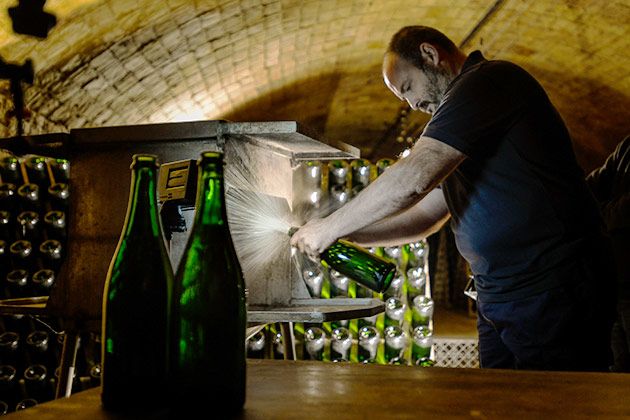
Another condition sets the duration of aging on racks. To be classified a Corpinnat, the minimum aging period is 18 months, but the producer must also sell a Brut Nature sparkling wine with a minimum aging period of 30 months and another Brut, Extra Brut or vintage Brut Nature with a minimum aging period of 60 months in the bottle.
The aging time of sparkling wines with secondary fermentation in bottle is a determining factor in their quality. The longer the aging time, the more integrated and fine the bubbles will be and the more complex, creamy and pastry-like the wine will be.





 Red wine
 White wine
 Rosé wine
 Primeurs
 Sherry and Port wine
 Sweet wine
 Orange wine
 Vermouth
 Champagne
 Cava
Cava Prosecco
 Lambrusco
 Crémant
 Moscato d'Asti
 Franciacorta
 Pet-Nat
 Corpinnat
 Other sparkling wines
 Rhum
Rhum Gin
Gin Whisky
 Vodka
Vodka Cognac
 Brandy
 Pastis
 Tequila
 Mezcal
 Grappa and Eau de vie
 Calvados
 Liqueurs
 Pacharán
 Apéritifs
 Wine gift boxes
 Boxed wines
 Boxed sparkling wines
 Wine bottles and glasses
 Gift card
 Non alcoholic Wine
 Non alcoholic Sparkling wine
 Non alcoholic Gin
 Other non-alcoholic drinks
 Aromas
 Wine conservation
 Decanters and aerators
 Bottle identifiers
 Corkscrews
 Service
 Glass identifiers
 Cleaners
 Accessories set
 Wine glasses
 Contact


 Price
Price Type of sparkling wine
 Points
 Winery
 Style
Style Pairing
 Vintage
 Filter and sort