- New
Free corkscrew on first orders over with the code CORKSCREW
-
Wine WineType of grape
-
Type of grape
- Verdejo
- Tempranillo
- Chardonnay
- Malbec
- Merlot
- Riesling
- Sangiovese
- Pinot noir
- Syrah
- Grenache
WineProduction area-
Production area
- Ribera de Duero
- Rioja
- Priorat
- Bordeaux
- Burgundy
- Loire valley
- Douro
- Piedmont
- Tuscany
- Mendoza
WineWineType of grape-
Type of grape
-
Verdejo
-
Tempranillo
-
Chardonnay
-
Malbec
-
Merlot
-
Riesling
-
Sangiovese
-
Pinot noir
-
Syrah
-
Grenache
WineProduction area-
Production area
-
Ribera de Duero
-
Rioja
-
Priorat
-
Bordeaux
-
Burgundy
-
Loire valley
-
Douro
-
Piedmont
-
Tuscany
-
Mendoza
Wine -
-
Sparkling wine Sparkling wineProduction area
-
Production area
- Champagne
- Cava
- Prosecco
- Lambrusco
- Moscato d'Asti
- Franciacorta
- Corpinnat
Sparkling wineSugar level-
Sugar level
- Champagne Brut
- Champagne Brut Nature
- Champagne Extra Brut
- Cava Brut
- Cava Brut Nature
- Cava Extra Brut
Sparkling wineDiscover more-
Discover more
- Champagne in Magnum format
- Cava in Magnum format
- Top 10 Champagne
- Top 10 Cava
- Give cava and champagne
Sparkling wineSparkling wineProduction area-
Production area
-
Champagne
-
Cava
-
Prosecco
-
Lambrusco
-
Moscato d'Asti
-
Franciacorta
-
Corpinnat
Sparkling wineRatings-
Ratings
-
Rated by Parker
-
Rated by Decántalo
Sparkling wineSugar level-
Sugar level
-
Champagne Brut
-
Champagne Brut Nature
-
Champagne Extra Brut
-
Cava Brut
-
Cava Brut Nature
-
Cava Extra Brut
Sparkling wineDiscover more-
Discover more
-
Champagne in Magnum format
-
Cava in Magnum format
-
Top 10 Champagne
-
Top 10 Cava
-
Give cava and champagne
Sparkling wine -
-
Spirits
-
Gifts
-
Selections
-
Non-alcoholic
-
Accessories
-
Outlet
-
Blog
Wine Aged on its lees
More complex, unctuous wines with new aromas
The lees can be removed, if you are looking for a fresh, light and less complex wine, but if the lees remain in contact with the wine, that is, if they are kept with the wine as it ages, they go through a decomposition process called autolysis. When the lees are destroyed, they release compounds that provide the wine with organoleptic characteristics that increase its complexity: its unctuousness increases, new aromas appear and its astringency softens.
Yeasts are microscopic single-celled organisms that perform the miracle of transforming grape must into wine. Yeasts are found in the vineyard, on every grape and present in the atmosphere. Yeasts can also be selected and inoculated for use in fermentation. At this stage they feed on the sugar contained in the must and in doing so they produce alcohol and provide the wine with many of the characteristics that we love, giving each production its own personality and aromas. After finishing their activity, these microorganisms die and their remains are what we know as lees.
-
--- ---
Active filters
- New
- New
Pegasus Bay Riesling 2025
Waipara Valley
(Canterbury)
- New
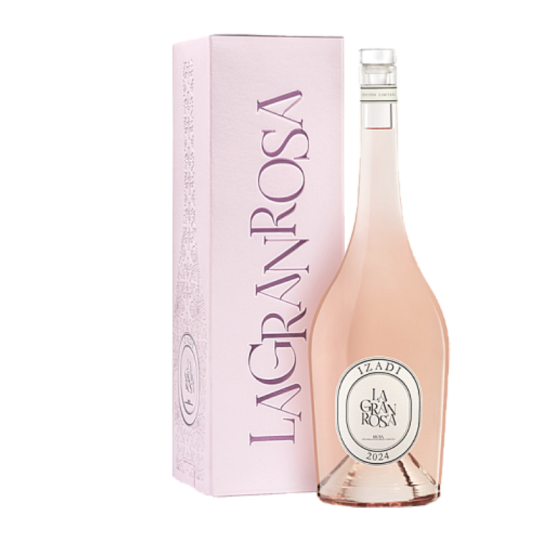
Box Magnum Izadi La Gran Rosa 2024
D.O.Ca. Rioja
(La Rioja)
- New
Markus Molitor Riesling Ockfener Bockstein Auslese ** (White Capsule) 2021
VDP Mosel-Saar-Ruwer
(Mosel)
- New
- New
- New
- New
- New
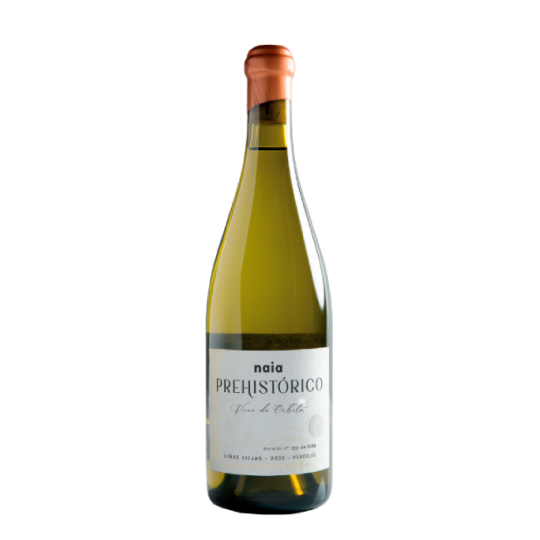
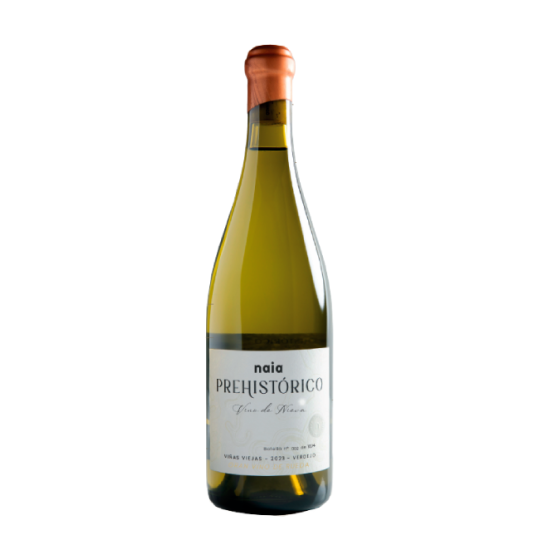
Naia Prehistórico - Vino de Órbita 2023
D.O. Rueda
(Castilla y León)
- New
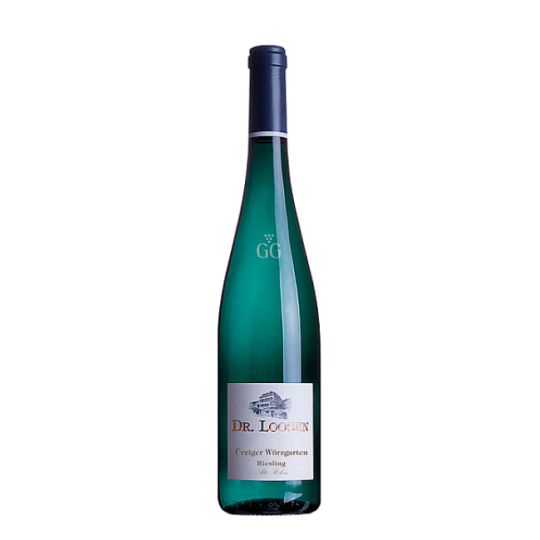
Dr. Loosen Ürziger Würzgarten Riesling GG Alte Reben 2020
VDP Mosel-Saar-Ruwer
(Mosel)
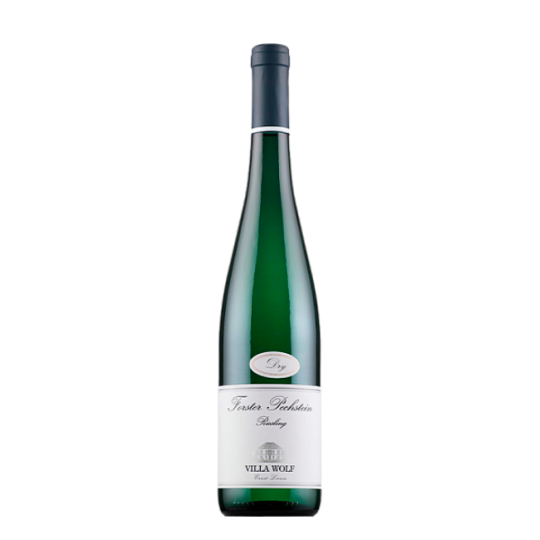
Villa Wolf Forster Pechstein Riesling 2017
VDP Pfalz
(Palatinate)
- New
- New
- New
- New
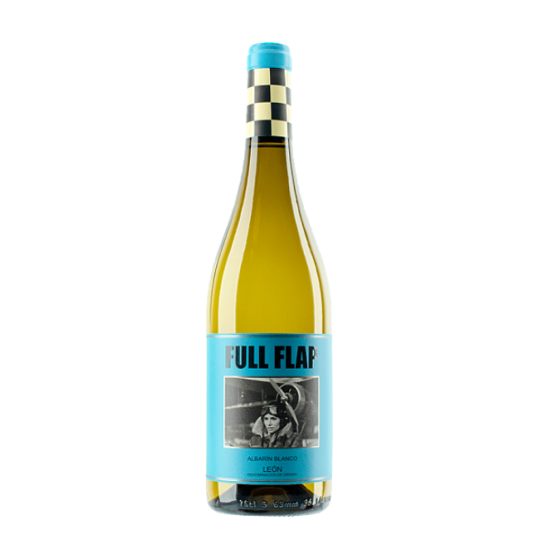
Full Flap Blanco 2024
D.O. Tierra de León
(Castilla y León)
- New
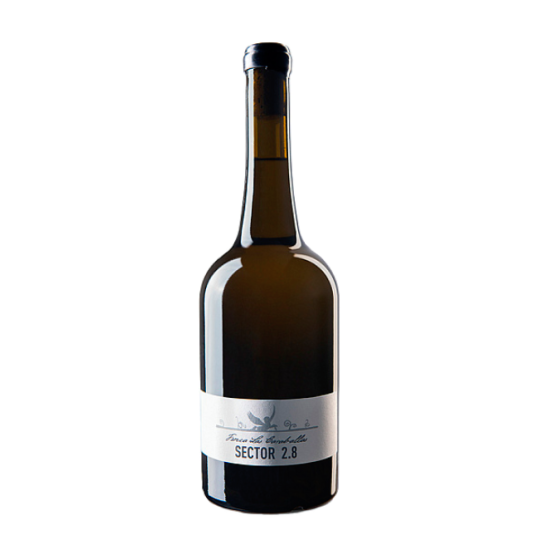
Caraballas Ecológico Sector 2.8 2021
VT Castilla-León
(Castilla y León)
El Sosiego de Finca las Caraballas 2015
VT Castilla-León
(Castilla y León)
El Hato y el Garabato Ecléctico Fermentado en Barrica 2023
D.O. Arribes
(Castilla y León)
- New